Introduction to Legacy Code and Technical Debt
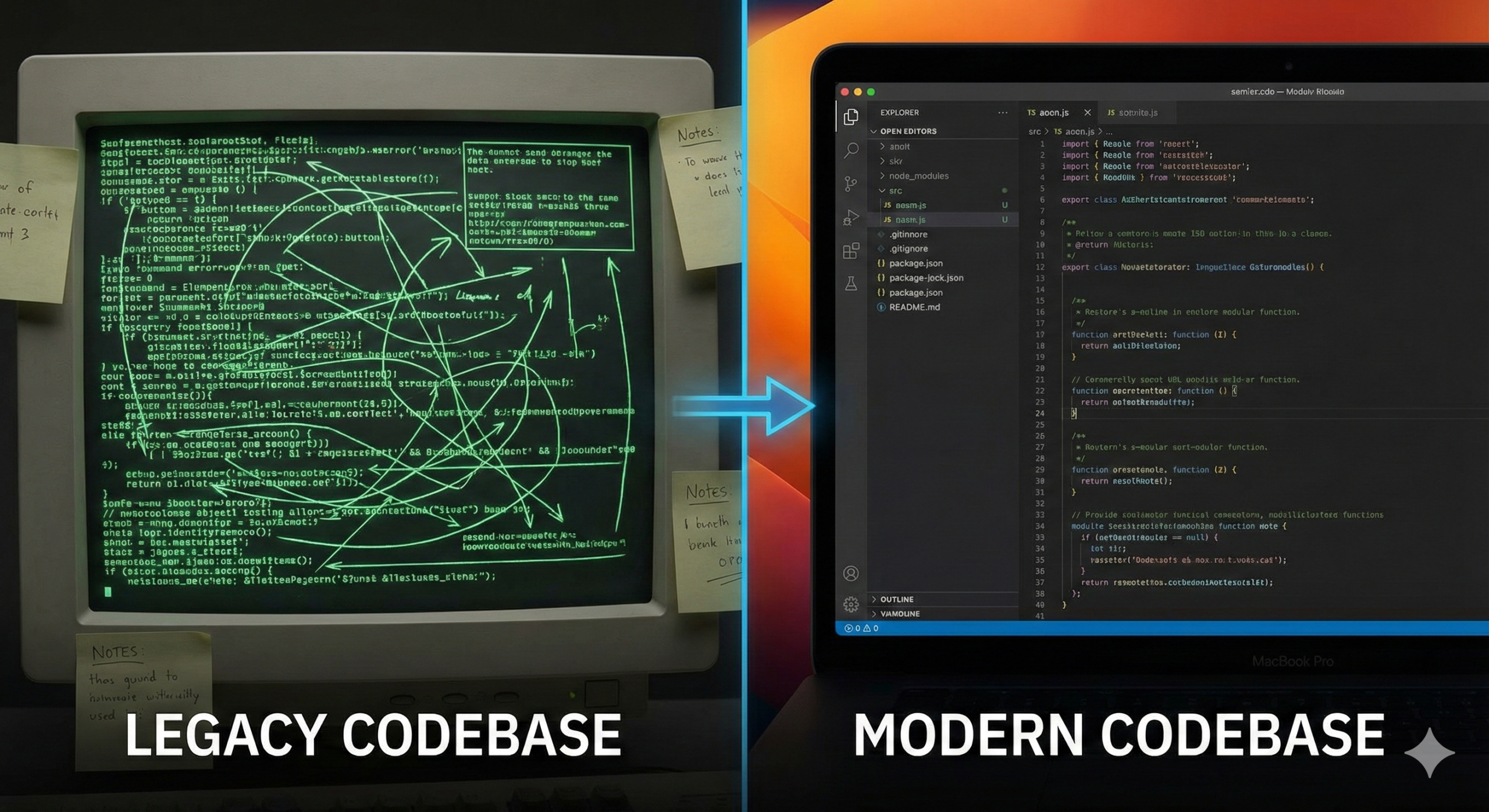
In the ever-evolving landscape of software development, managing legacy code and technical debt remains a daunting challenge for many organizations. Legacy code refers to old software systems that are still in use but are often written in outdated languages or frameworks, making them difficult to maintain and enhance. Technical debt, on the other hand, describes the future cost of rework incurred when a quick, and often easy, solution is chosen over the best approach to build a product. As software architects and developers, it is crucial to understand these concepts to implement effective refactoring strategies.
Refactoring legacy code not only aims to improve the existing code structure but also helps to mitigate accumulated technical debt. According to research, refactoring efforts can significantly enhance code maintainability, allowing teams to innovate more freely without the burden of outdated code complexities. Armed with advanced strategies such as the Strangler Fig Pattern, Dependency Injection, and Continuous Integration, teams can embark on a path to modernizing their legacy systems efficiently.
Understanding the Strangler Fig Pattern
The Strangler Fig Pattern is an architectural strategy derived from a fascinating natural phenomenon. Much like the strangler fig tree, which encircles a host tree and gradually replaces it, this pattern enables developers to migrate functionality from a legacy system to a newer system incrementally. Originated by Martin Fowler, the Strangler Fig Pattern offers a safe approach to transform systems while minimizing disruption to ongoing operations.
Implementing the Strangler Fig Pattern involves several key steps:
- Identifying Components for Migration: Pinpoint specific functionalities within the legacy system that are suitable and prioritized for migration.
- Developing New Implementations: Create new services or components using modern technologies to replicate the functionalities targeted for migration.
- Routing Traffic: Establish a routing mechanism (e.g., an API gateway) to manage requests, directing them to either the legacy system or the new implementation as functionalities are transitioned.
- Incremental Replacement: Continue to shift additional functionalities to the new system gradually, preserving system stability through continuous testing.
Utilizing this pattern not only reduces risks associated with system modernization but also enhances user experiences by allowing developers to deploy updates and fixes iteratively without treating the legacy codebase as sacrosanct (Sam Newman – Strangler Fig Pattern, AWS Prescriptive Guidance).
Implementing Dependency Injection in Legacy Systems
Dependency Injection (DI) is a fundamental design pattern that promotes the decoupling of components, which is especially valuable in the context of legacy system refactoring. Essentially, DI allows a system to obtain its dependencies from an external source, rather than creating them internally. This approach fosters modularity, making the codebase more flexible and easier to manage over time.
Implementing DI within legacy systems provides several critical advantages:
- Improved Testability: By allowing dependencies to be injected, developers can utilize mock implementations during testing, enabling focused unit tests that are easier to write and maintain.
- Enhanced Flexibility: DI promotes the ability to swap components out easily, facilitating the incremental replacement of legacy code with modern implementations without significant rework.
- Reduced Coupling: By decoupling the components, the overall system complexity decreases, allowing for easier adaptations and updates as technology evolves.
While incorporating DI into legacy code may require considerable effort in restructuring the existing codebase, the long-term benefits in maintainability and scalability often warrant this investment. For further insights, check out our post on implementing CI/CD pipelines that can enhance your deployment strategies.
The Role of Continuous Integration in Refactoring
Continuous Integration (CI) is a modern development practice where developers commit code changes into a shared repository multiple times a day, triggering automated builds and tests. CI is crucial for managing technical debt during legacy code refactoring, as it provides a structured framework for keeping code quality high.
The advantages of CI in the context of refactoring legacy code include:
- Early Detection of Issues: Automated testing allows teams to identify defects soon after code changes, mitigating the cost and intricacy of fixes.
- Consistent Code Quality: Regularly integrating and testing new code adheres to pre-defined quality standards, preventing the accumulation of technical debt.
- Facilitated Collaboration: CI encourages frequent commits and integrates actions, promoting collaborative efforts among developers and ensuring that changes remain compatible with the existing codebase.
Establishing CI processes for legacy projects can be daunting and may involve configuring build and test environments; however, these efforts are essential for maintaining code quality during refactoring periods. For a more detailed understanding, read our blog about integrating fuzzing into CI pipelines, which can detect vulnerabilities early on.
Case Studies: Successful Legacy Code Transformations
Real-world case studies can offer valuable insights into the practical application of advanced refactoring strategies. For example, a prominent financial institution faced issues with an outdated transactional system that had amassed significant technical debt over the years. By employing the Strangler Fig Pattern, they incrementally replaced key functionalities with a modern microservices-based architecture, ensuring that their operations remained uninterrupted.
Additionally, another organization employed Dependency Injection to refactor their monolithic codebase. By decoupling system components, they not only enhanced testability but also improved deployment cycles significantly, allowing teams to implement changes with greater confidence and reduced timeframes. If you are interested in how microservices can boost your development process, check out our guide on mastering RESTful API development.
Tools and Best Practices for Modernizing Codebases
When undertaking the journey of modernizing a legacy codebase, utilizing the right tools and establishing best practices can dramatically streamline the process. Tools such as:
- SonarQube: For continuous inspection of code quality and identifying code smells and vulnerabilities.
- Jenkins: To implement CI pipelines that automate building and testing code.
- Gradle or Maven: For managing project dependencies and building applications efficiently.
Following best practices such as documenting the refactoring process, involving stakeholders in major architectural decisions, and establishing coding standards also plays a crucial role in the successful transformation of legacy systems into maintainable and scalable codebases. To dive deeper into more advanced strategies, consider reading about scaling monorepos for better management.
Conclusion: Balancing Innovation and Maintenance
In conclusion, refactoring legacy code is an essential practice for software developers looking to manage technical debt and ensure that their systems remain robust and maintainable. By applying advanced strategies such as the Strangler Fig Pattern, Dependency Injection, and Continuous Integration, teams can make significant strides toward modernizing codebases while minimizing the impact on ongoing operations. It is vital to strike a balance between innovation and maintenance, as this equilibrium fosters an environment that allows for continuous improvement and adaptation in the fast-paced world of technology.
Frequently Asked Questions (FAQ)
What is legacy code?
Legacy code refers to outdated software systems that are still in use but may be difficult to maintain or enhance due to the technologies in which they are built.
Why is refactoring important for legacy code?
Refactoring legacy code is crucial for reducing technical debt, improving maintainability, and ensuring the system’s ability to evolve and integrate with modern technologies.
What is the Strangler Fig Pattern?
The Strangler Fig Pattern is an architectural strategy that enables incremental migration from a legacy system to a new system without disrupting ongoing operations.
How can Dependency Injection improve legacy systems?
Dependency Injection decouples components, making codebases more modular, testable, and flexible while allowing for gradual replacement of legacy code with modern implementations.
What role does Continuous Integration play in refactoring?
Continuous Integration helps to maintain code quality during refactoring by facilitating automated testing and early detection of issues, promoting collaborative development, and enforcing coding standards.