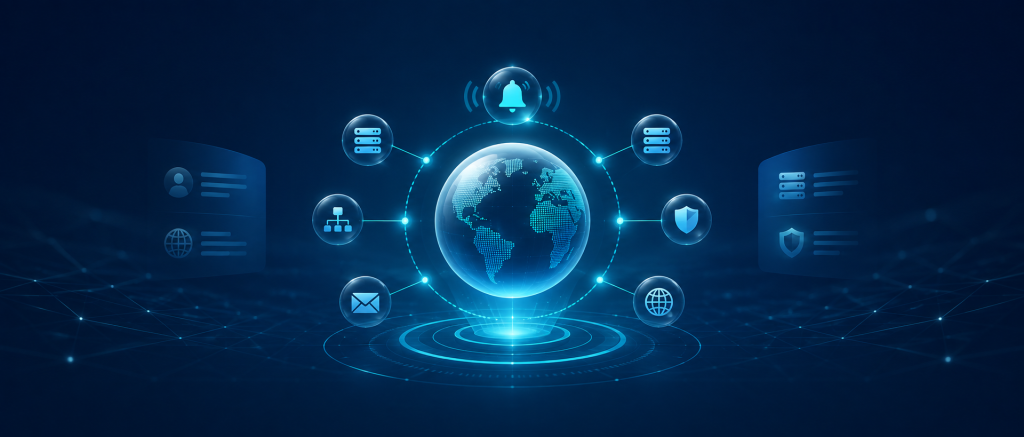
How to Master Domain Monitoring: A WHOIS, RDAP & DNS Guide
Learn how WhoisJsonAPI Domain Monitoring tracks WHOIS, RDAP, and DNS changes, sends email and webhook alerts, and supports bulk monitor setup.
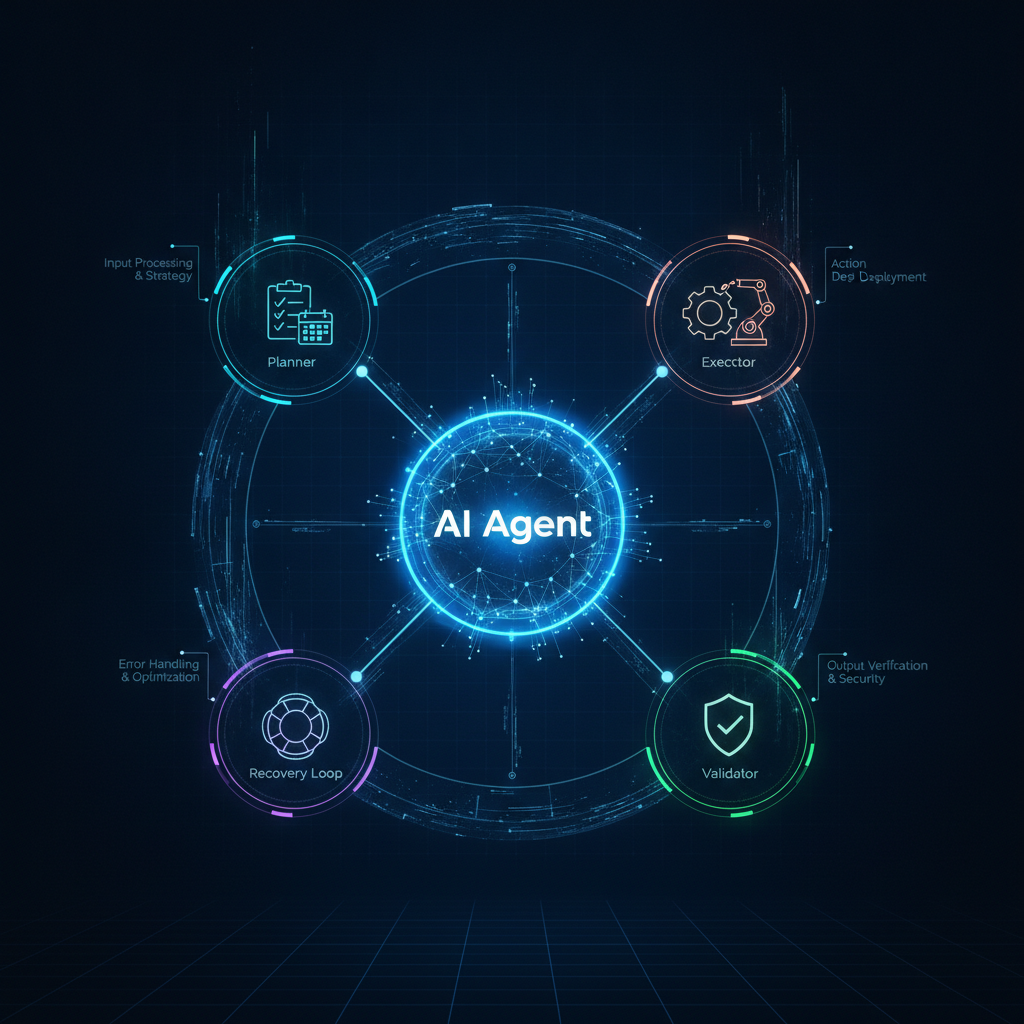
How Modern AI Agents Use Harnesses for Planning, Execution, and Recovery
Introduction AI agent orchestration in complex systems reveals a fundamental tension: while separating planning, execution, and validation into...

Observability for AI Agents: Logs, Traces, and Harness-Level Monitoring
Introduction AI agents operating within multi-agent orchestration frameworks rarely fail cleanly. Execution flows intertwine asynchronously, decisions cascade across...

Designing Secure Tool Harnesses for AI Coding Agents
Introduction Autonomous AI coding agents introduce a formidable security challenge: enabling dynamic code execution while maintaining rigorous control...

Why Harnesses Matter in Agentic AI Systems
Introduction Raw AI models operate without inherent safeguards for state management, side effects, or resource constraints, rendering them...
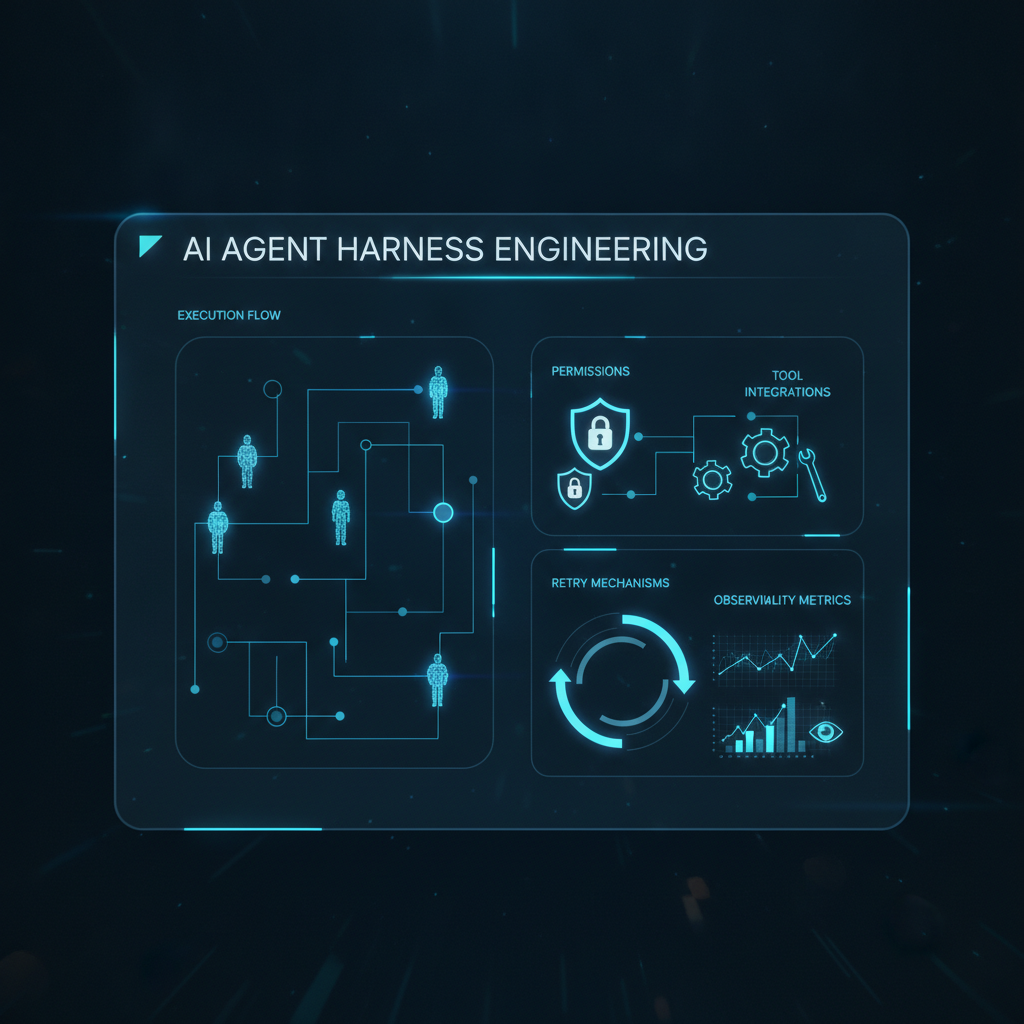
AI Agent Harness Engineering: Building Reliable Execution Environments for Autonomous Agents
Introduction Autonomous AI agents running in production environments confront a critical engineering challenge: reliably translating inherently probabilistic and...
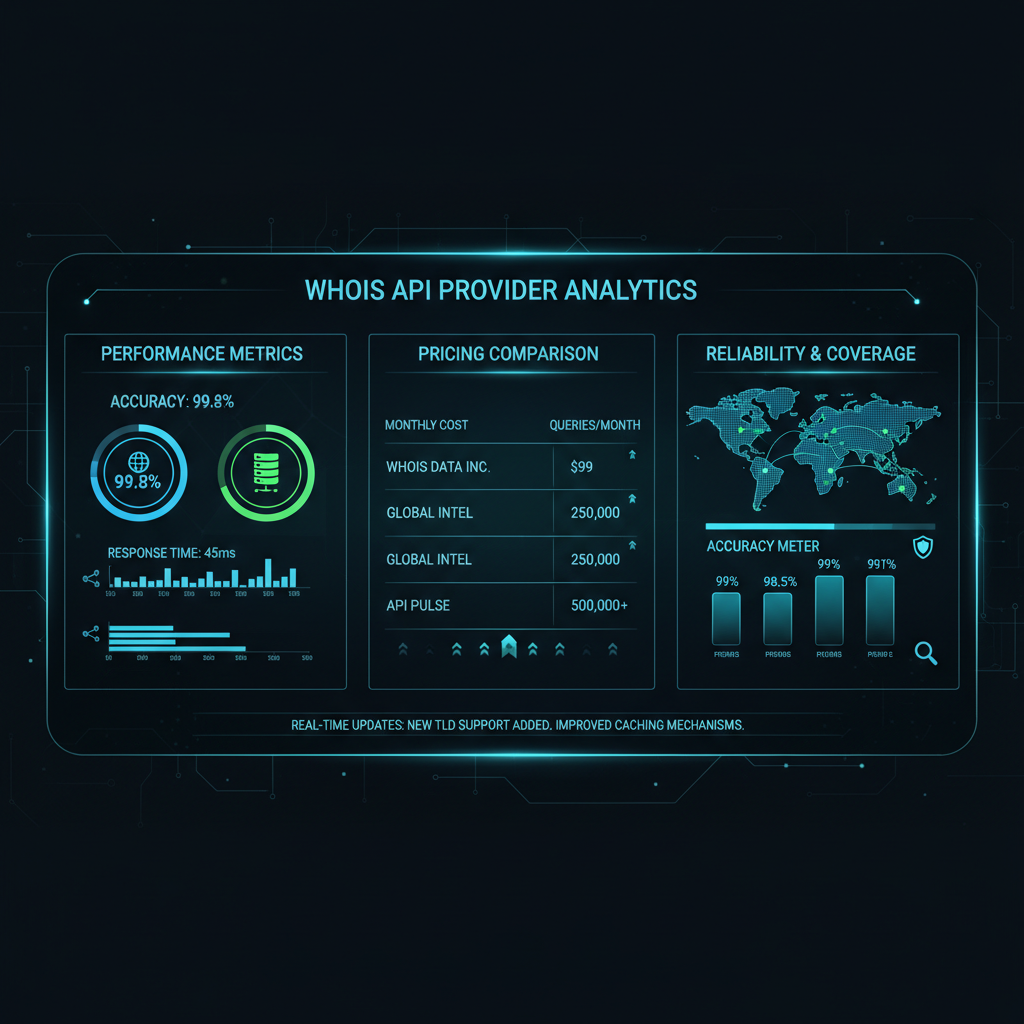
Best WHOIS APIs Compared: Features, Pricing, and Accuracy
Introduction WHOIS APIs are foundational components enabling automation of domain intelligence workflows, yet their reliability, coverage, and cost-efficiency...

IDNs and WHOIS: Handling Internationalized Domain Names
Introduction Internationalized Domain Names (IDNs) extend the scope of domain name systems by allowing domain names to include...
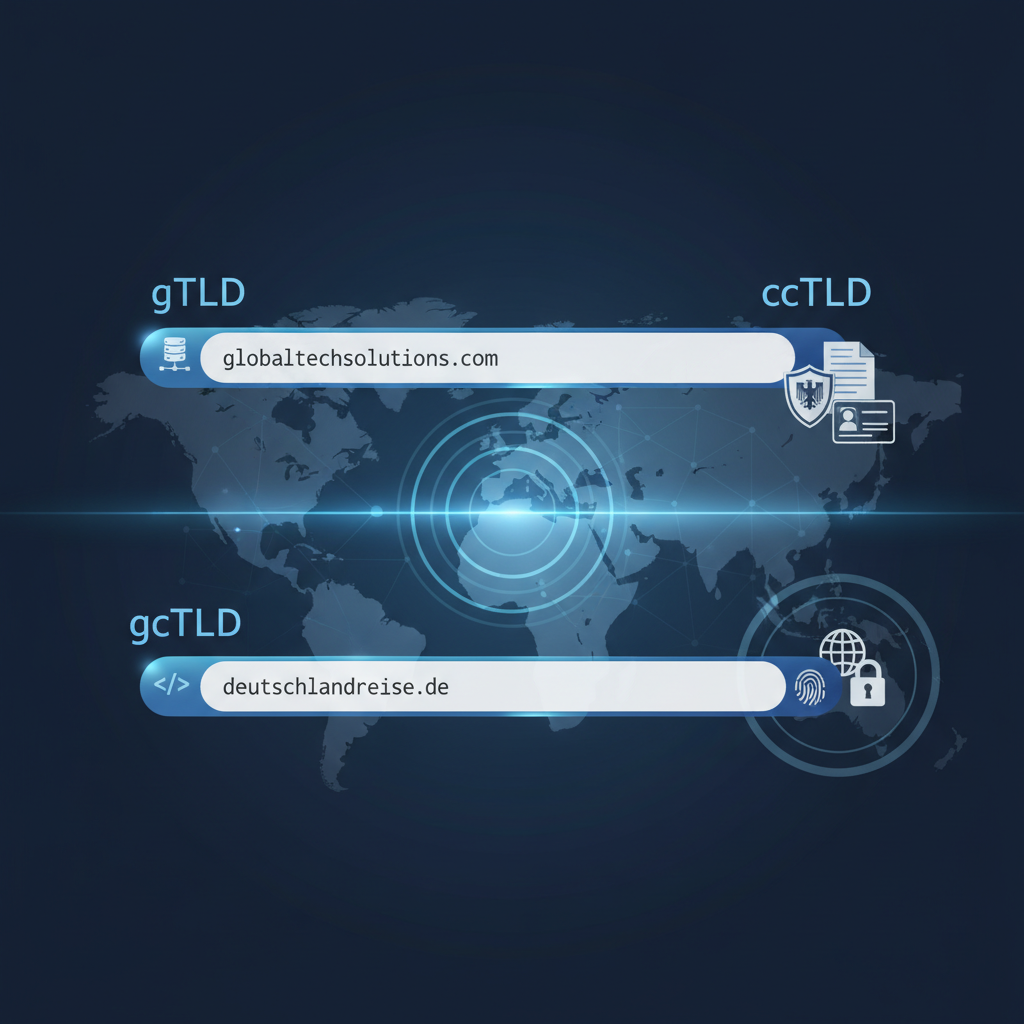
gTLD vs ccTLD: Key Differences Every Domain Owner Should Know
Introduction Choosing between generic Top-Level Domains (gTLDs) and country code Top-Level Domains (ccTLDs) is not merely a branding...
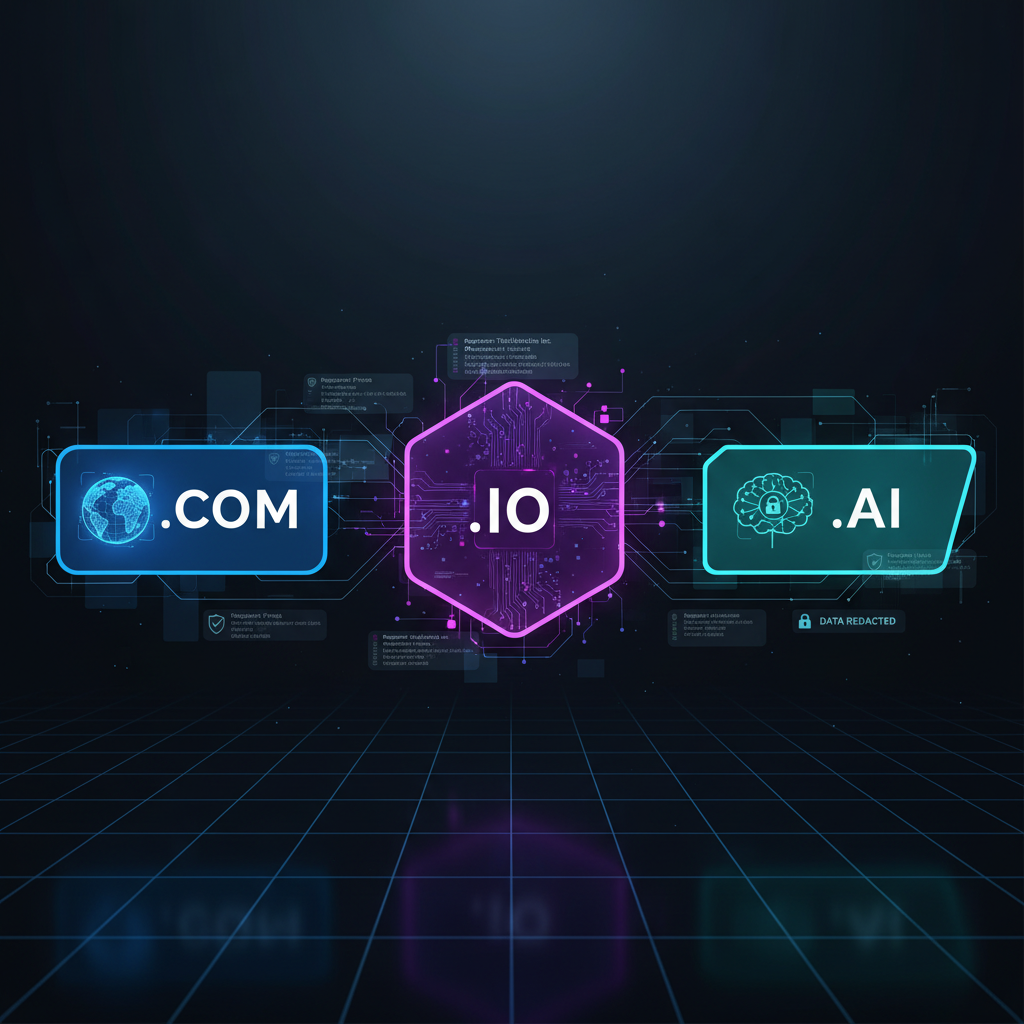
WHOIS Differences Between .com, .io, and .ai Domains
Introduction WHOIS data serves as the foundational source for domain ownership verification, automated monitoring, and cybersecurity workflows. However,...
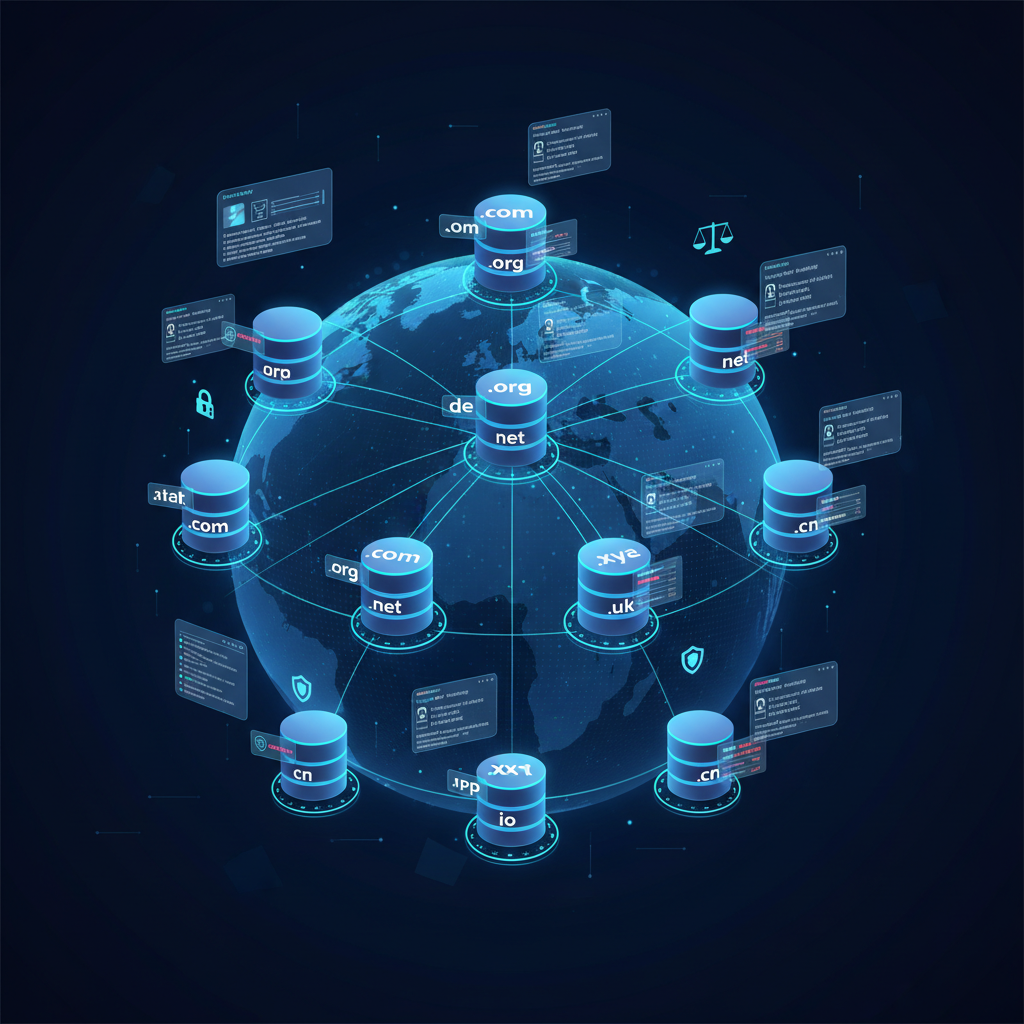
Why WHOIS Data Varies Across TLDs
Introduction WHOIS data by TLD is far from uniform—each top-level domain exposes domain registration metadata through distinct policies,...
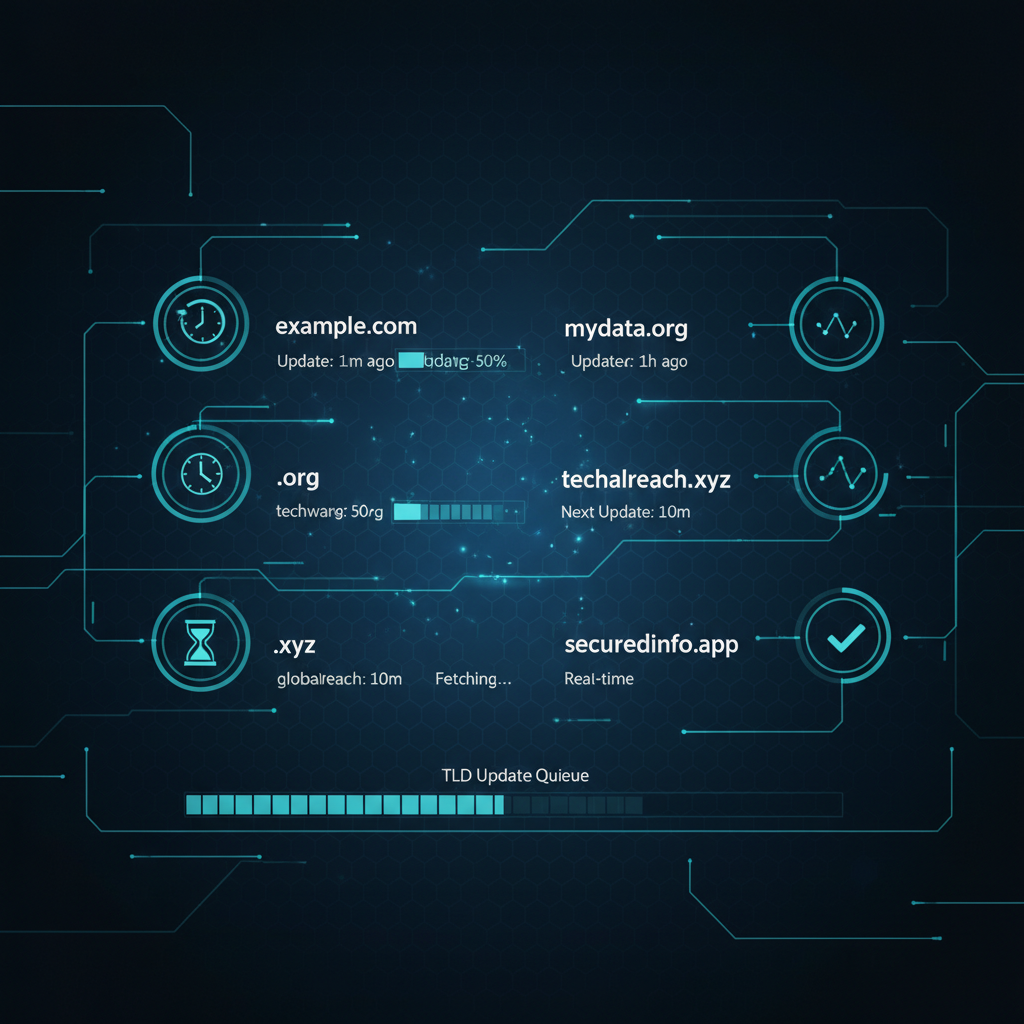
How Often WHOIS Data Updates by TLD
Introduction WHOIS data update frequency exhibits significant variability across different top-level domains (TLDs) and registrars, posing non-trivial challenges...
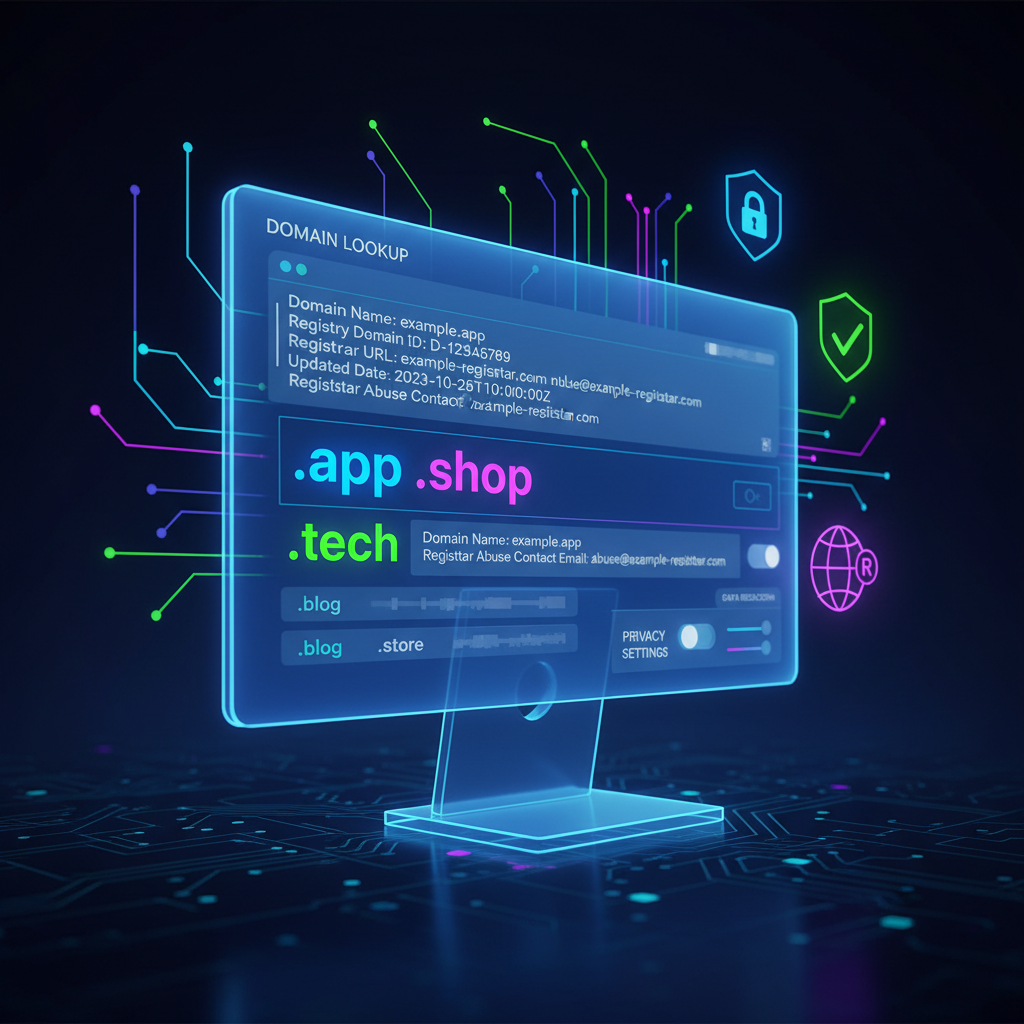
WHOIS for New gTLDs: What Makes Them Different
Introduction WHOIS lookups for new generic top-level domains (new gTLDs) have diverged substantially from the uniform, predictable responses...
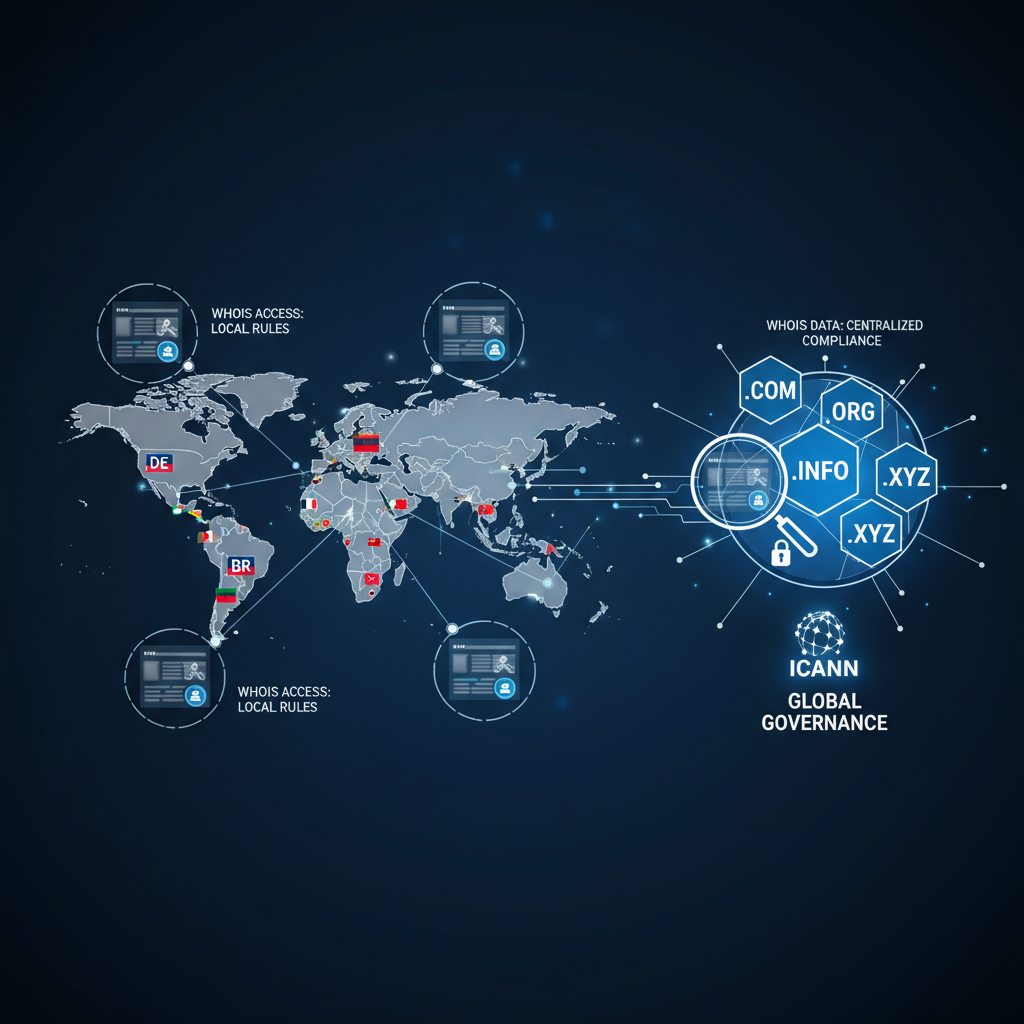
How ccTLD WHOIS Rules Differ From ICANN gTLDs
Introduction WHOIS data access and privacy controls exhibit significant variation across the domain landscape. While ICANN enforces a...
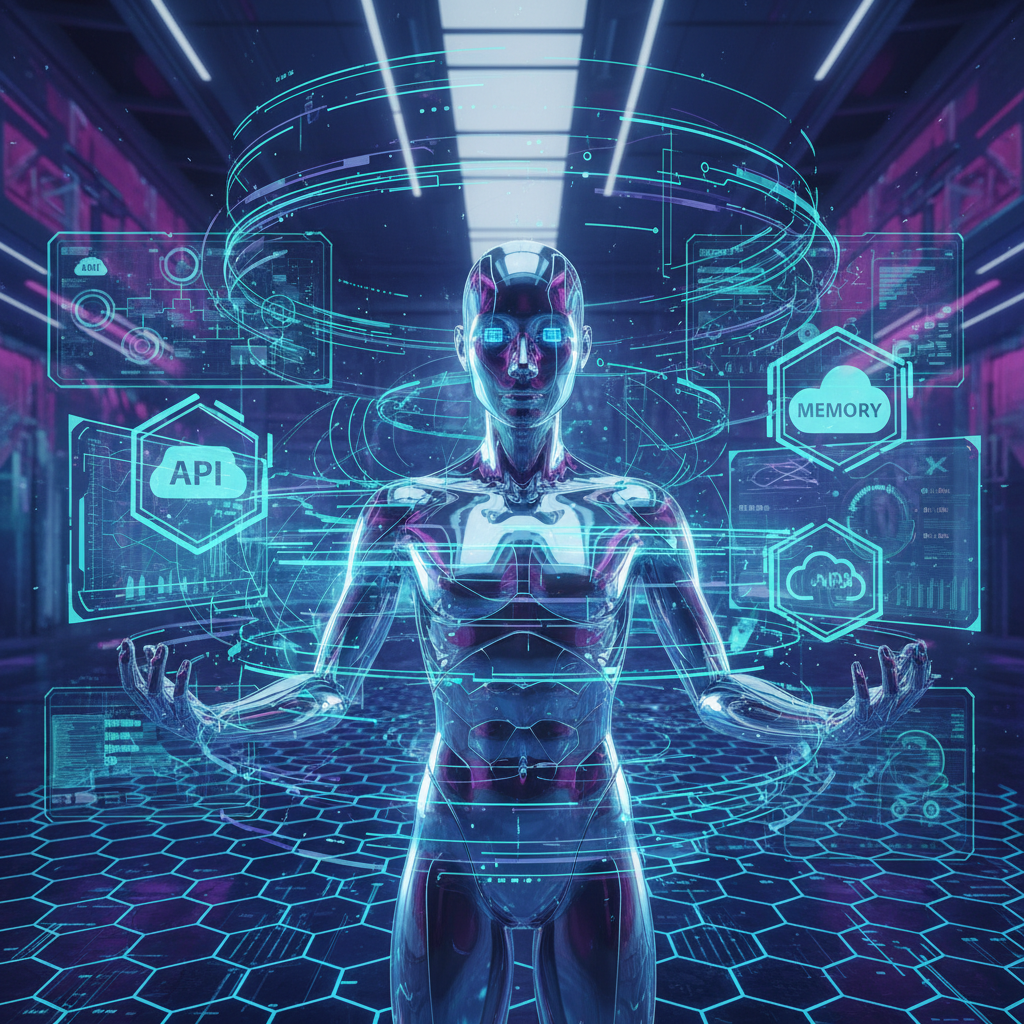
Building Autonomous AI Agents with Tool Use, Memory, and Planning
Introduction Autonomous AI agents demand more than reactive command execution—they must seamlessly integrate complex decision-making, dynamic external tool...
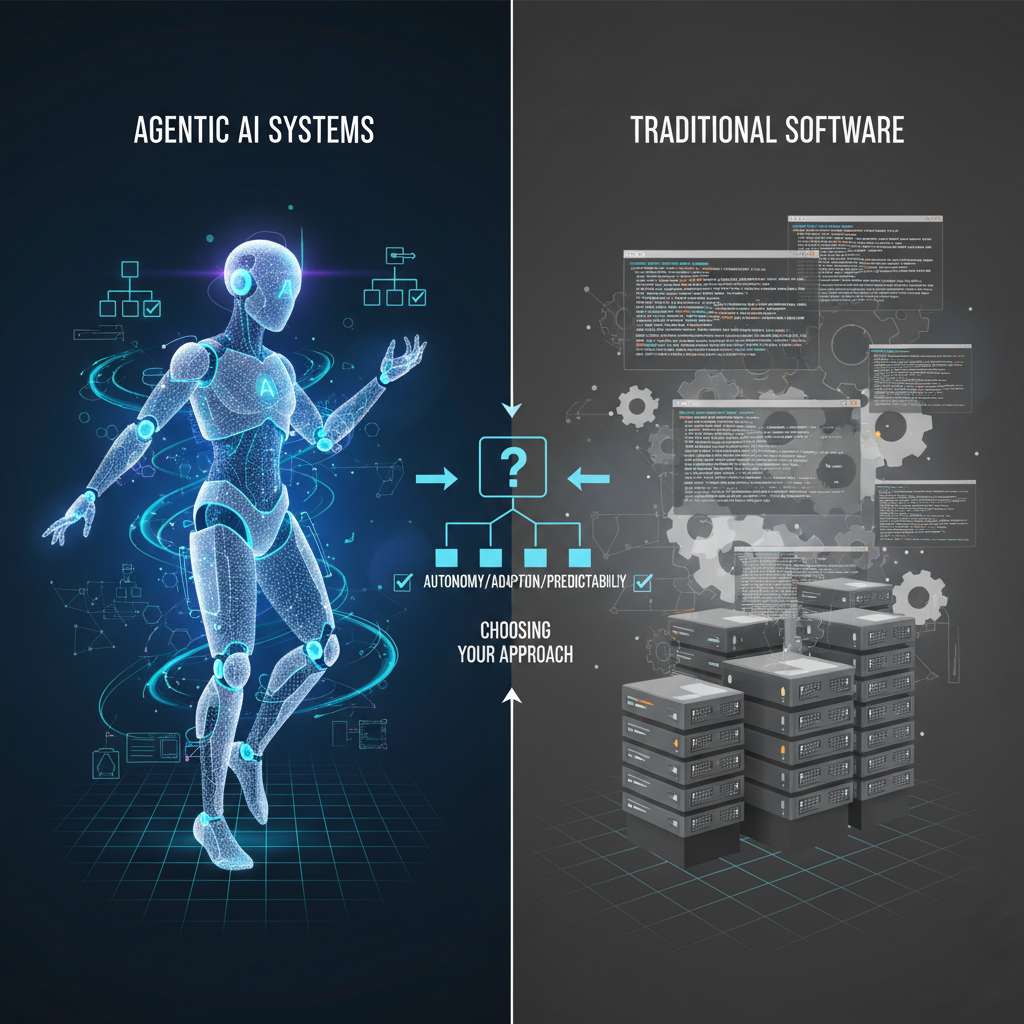
Agentic Systems vs Traditional Software: When and How to Use AI Agents
Introduction Traditional software architectures rely on deterministic, linear workflows that execute predefined tasks with limited adaptability. When deployed...
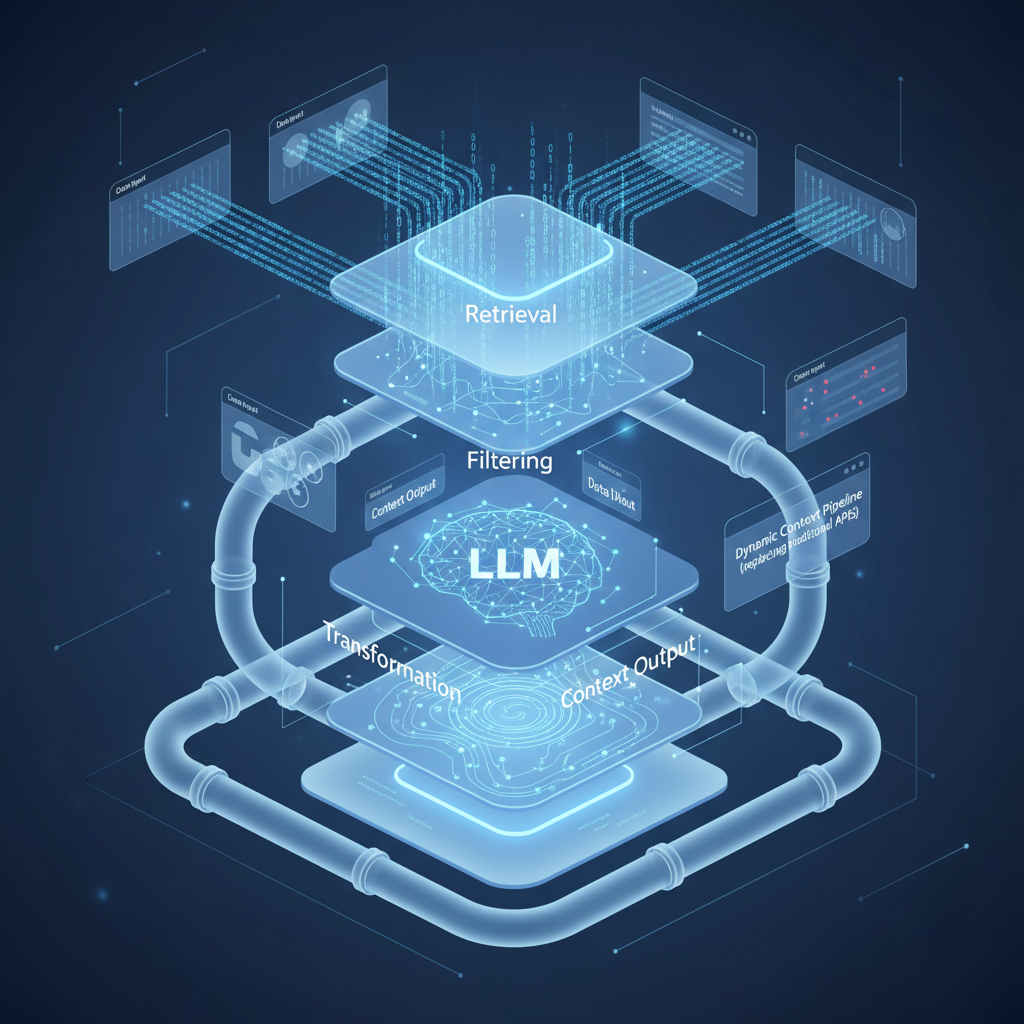
Context is the New API: Designing Context Pipelines for LLM Applications
Introduction Traditional API designs break down when interfacing with large language models (LLMs) because fixed endpoints cannot flexibly...
From Prompts to Context: Mastering AI Context Engineering for Reliable Systems
Introduction Large language models (LLMs) require far more than well-crafted prompts to deliver consistent, reliable outputs in production...

AI Agent Engineering in 2026: Architectures, Patterns, and Real-World Systems
Introduction AI agent engineering in 2026 confronts a multifaceted challenge: constructing distributed, multi-agent systems that maintain reliability and...

Beginner’s Guide to Domain Investing Using Data, Not Guesswork
Introduction Domain investing is frequently characterized as an exercise in intuition and luck. However, relying solely on guesswork...