
Observability for AI Agents: Logs, Traces, and Harness-Level Monitoring
Introduction AI agents operating within multi-agent orchestration frameworks rarely fail cleanly. Execution flows intertwine asynchronously, decisions cascade across...
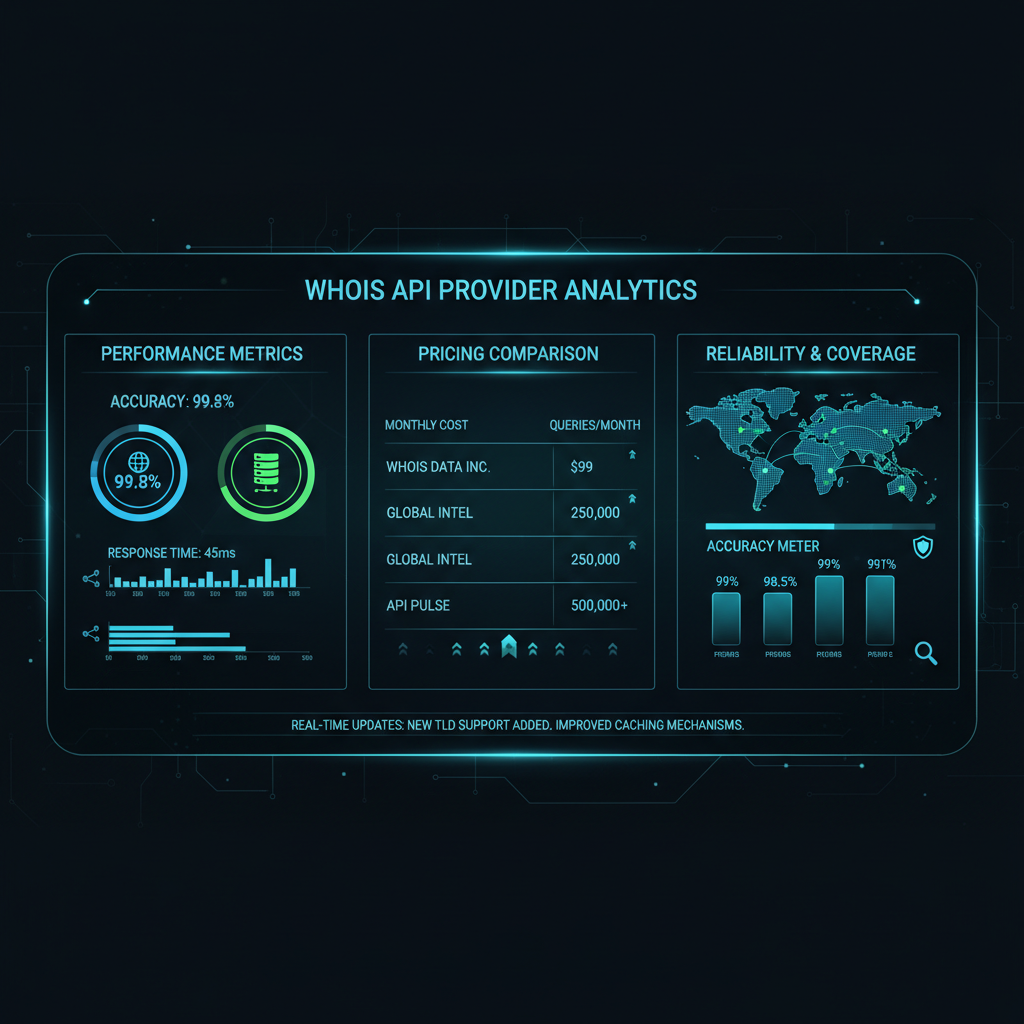
Best WHOIS APIs Compared: Features, Pricing, and Accuracy
Introduction WHOIS APIs are foundational components enabling automation of domain intelligence workflows, yet their reliability, coverage, and cost-efficiency...

IDNs and WHOIS: Handling Internationalized Domain Names
Introduction Internationalized Domain Names (IDNs) extend the scope of domain name systems by allowing domain names to include...
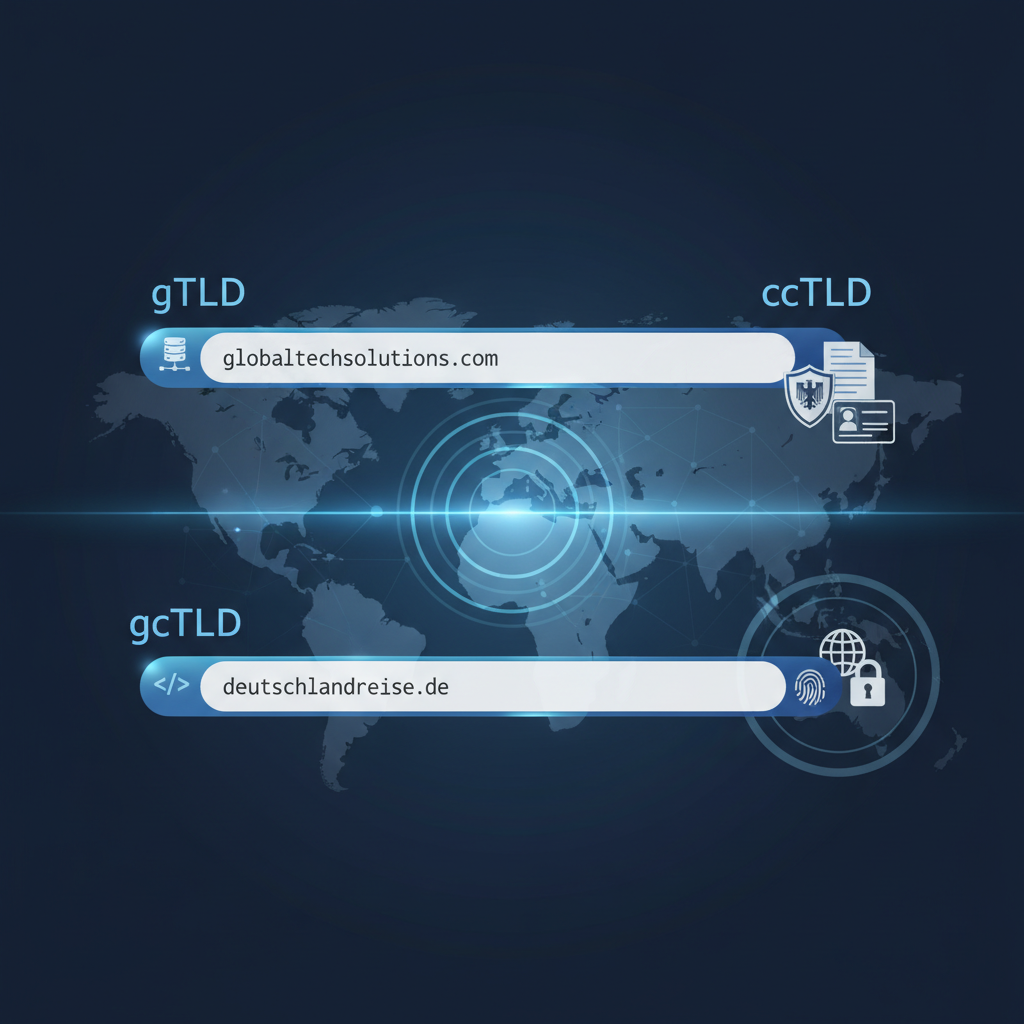
gTLD vs ccTLD: Key Differences Every Domain Owner Should Know
Introduction Choosing between generic Top-Level Domains (gTLDs) and country code Top-Level Domains (ccTLDs) is not merely a branding...

WHOIS Differences Between .com, .io, and .ai Domains
Introduction WHOIS data serves as the foundational source for domain ownership verification, automated monitoring, and cybersecurity workflows. However,...
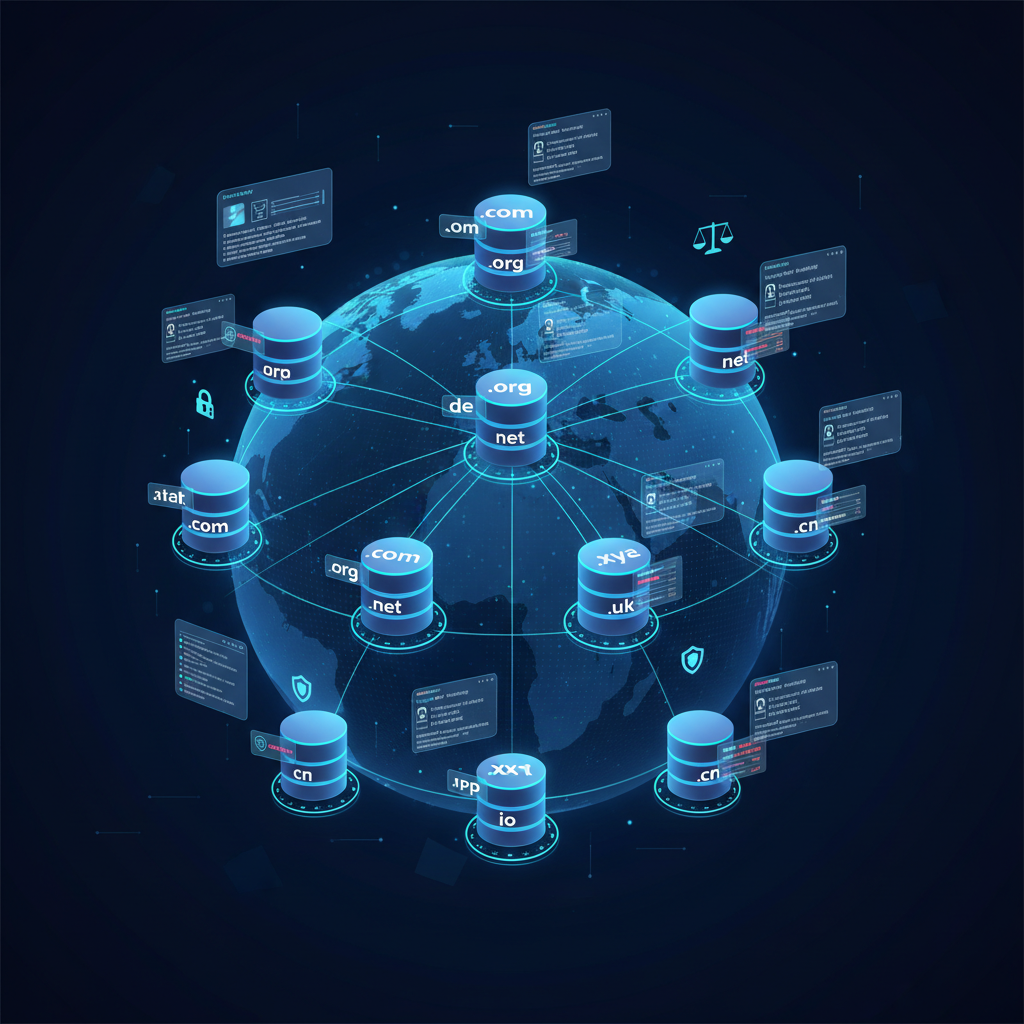
Why WHOIS Data Varies Across TLDs
Introduction WHOIS data by TLD is far from uniform—each top-level domain exposes domain registration metadata through distinct policies,...
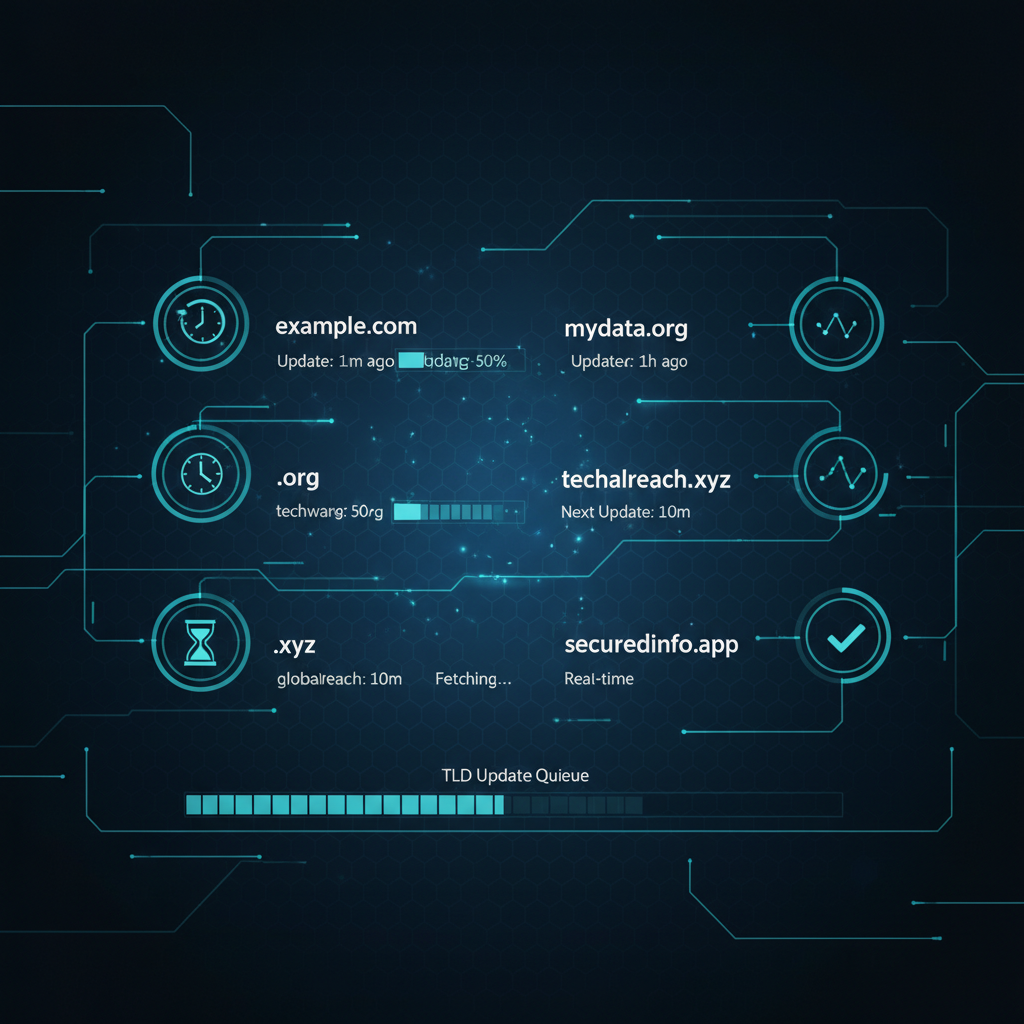
How Often WHOIS Data Updates by TLD
Introduction WHOIS data update frequency exhibits significant variability across different top-level domains (TLDs) and registrars, posing non-trivial challenges...

WHOIS for New gTLDs: What Makes Them Different
Introduction WHOIS lookups for new generic top-level domains (new gTLDs) have diverged substantially from the uniform, predictable responses...
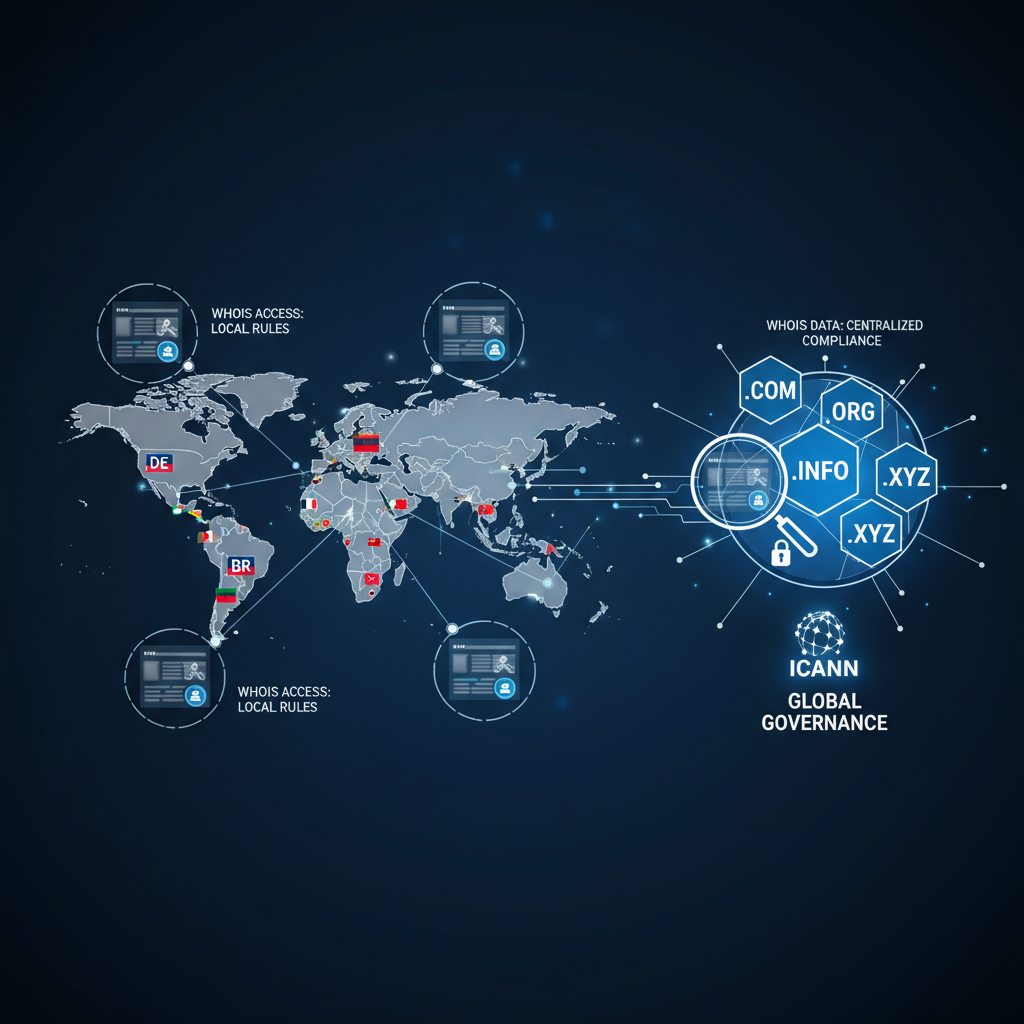
How ccTLD WHOIS Rules Differ From ICANN gTLDs
Introduction WHOIS data access and privacy controls exhibit significant variation across the domain landscape. While ICANN enforces a...

Beginner’s Guide to Domain Investing Using Data, Not Guesswork
Introduction Domain investing is frequently characterized as an exercise in intuition and luck. However, relying solely on guesswork...
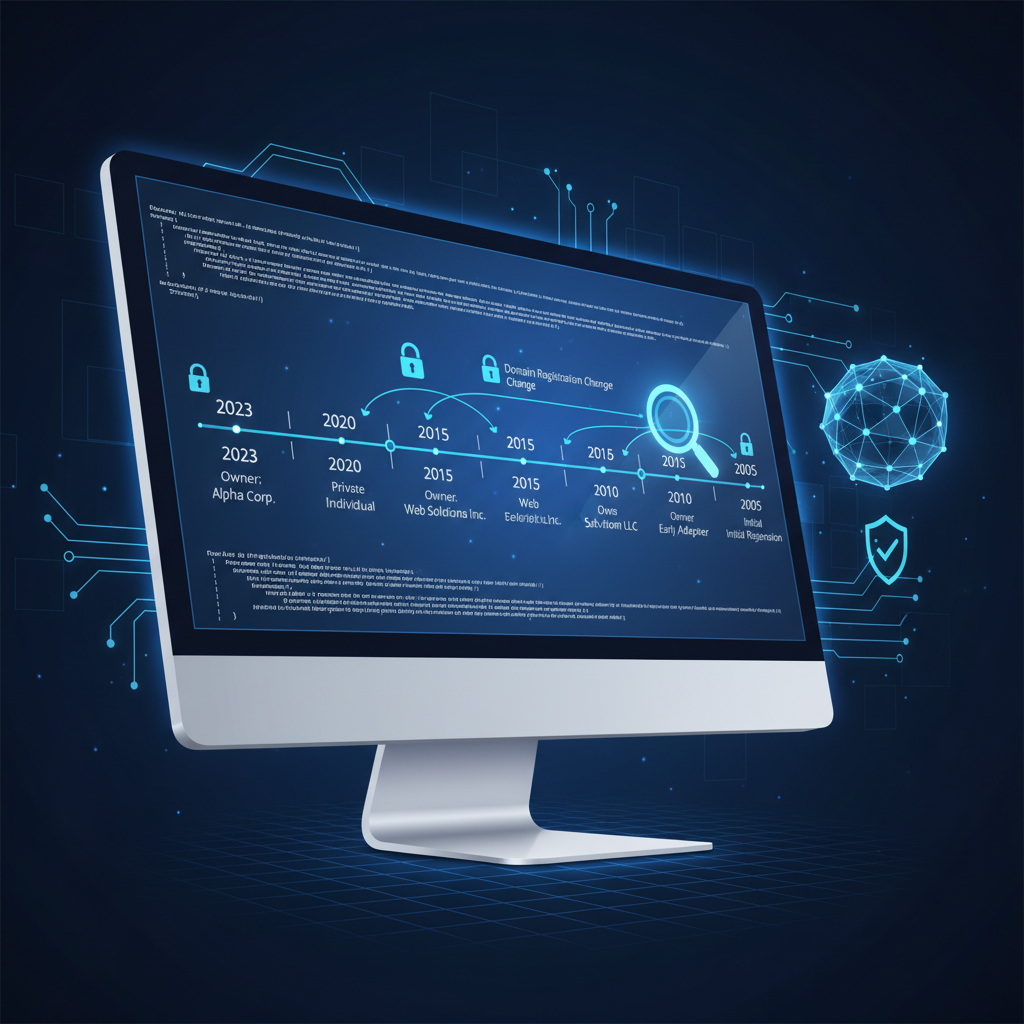
What Is WHOIS History and Why It Matters
Introduction Tracking the full timeline of domain registration data is deceptively complex. WHOIS history captures not just the...
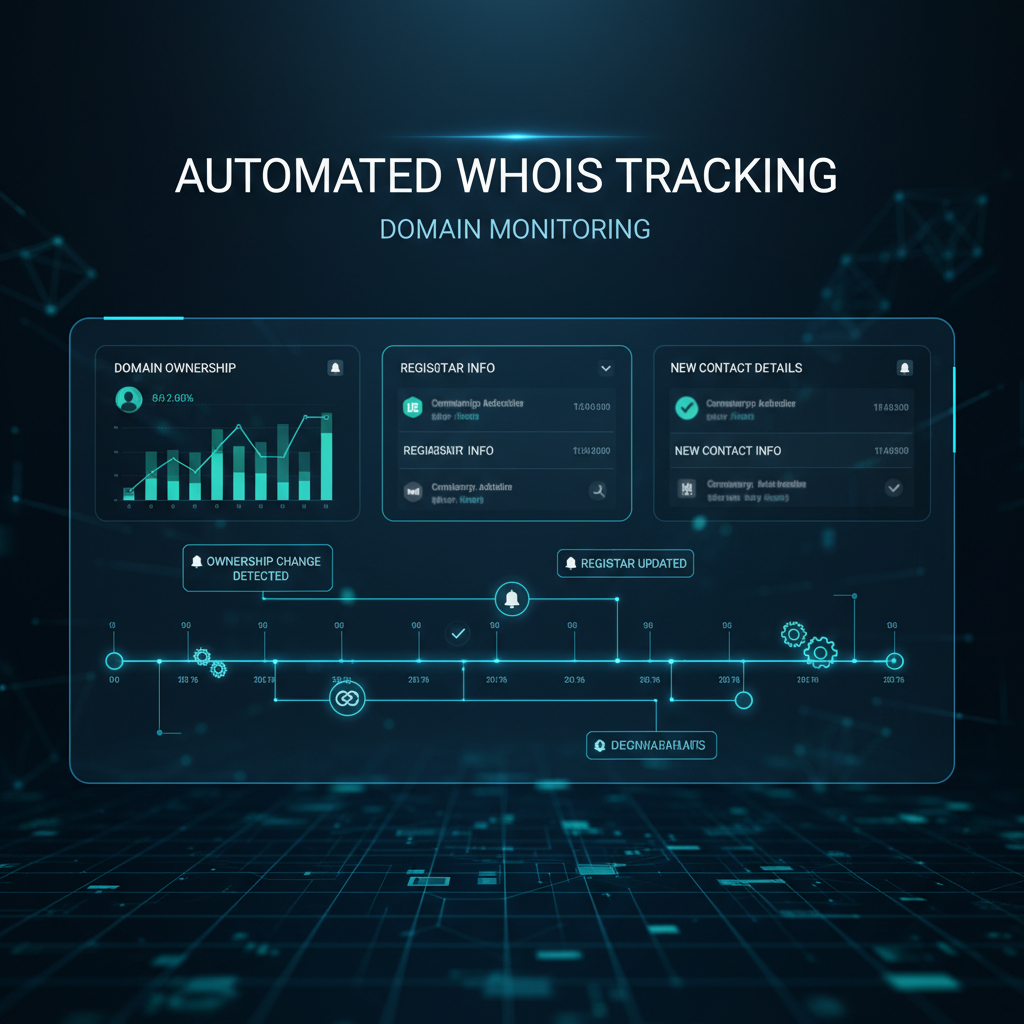
How to Track WHOIS Changes Over Time Automatically
Introduction Tracking WHOIS changes over time is rarely straightforward in production environments. Variations in data formats across registrars,...

How to Track Domain Ownership Changes Over Time
Introduction Domain ownership changes rarely manifest as clean, instantaneous events. Between ICANN’s mandatory 60-day transfer locks, inconsistent WHOIS...
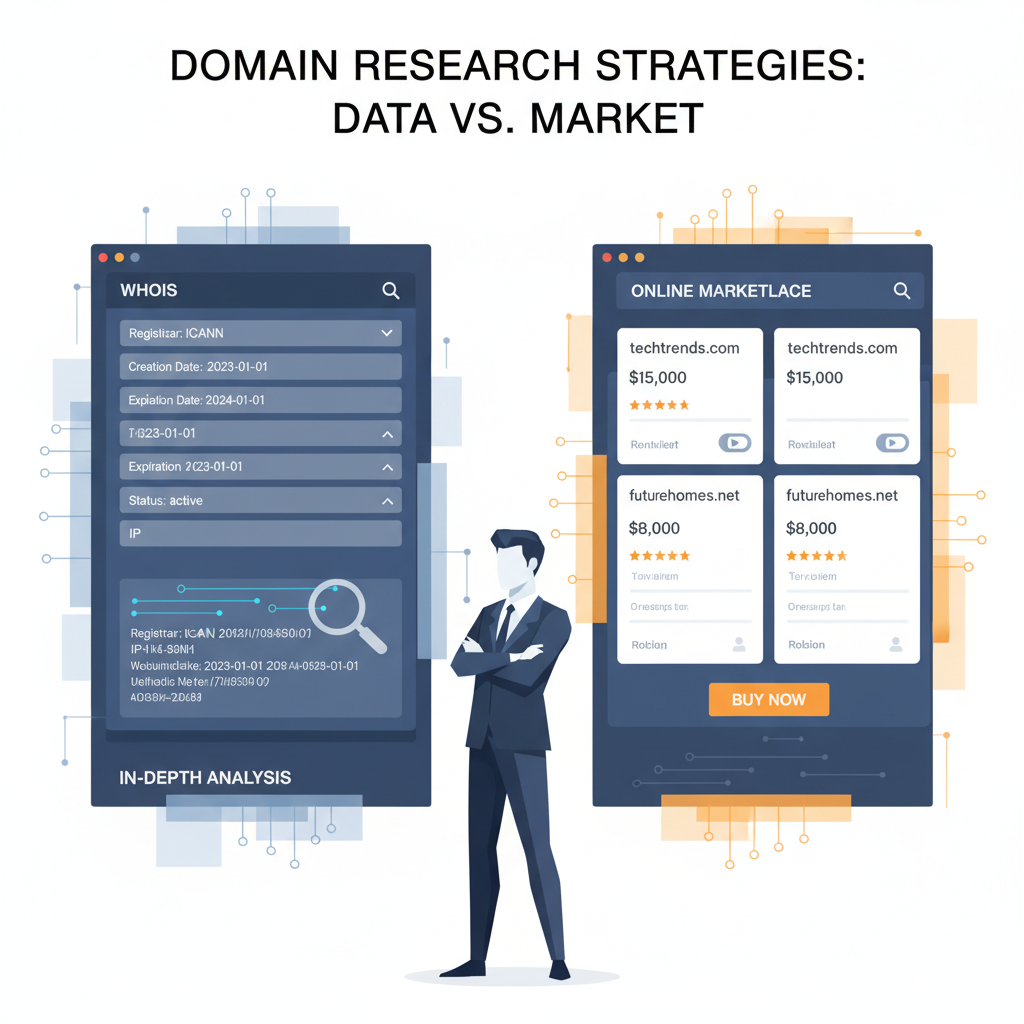
WHOIS vs Marketplaces: Which Is Better for Domain Research?
Introduction Domain research tools underpin systems responsible for domain management, cybersecurity monitoring, and digital asset investment. Their effectiveness...
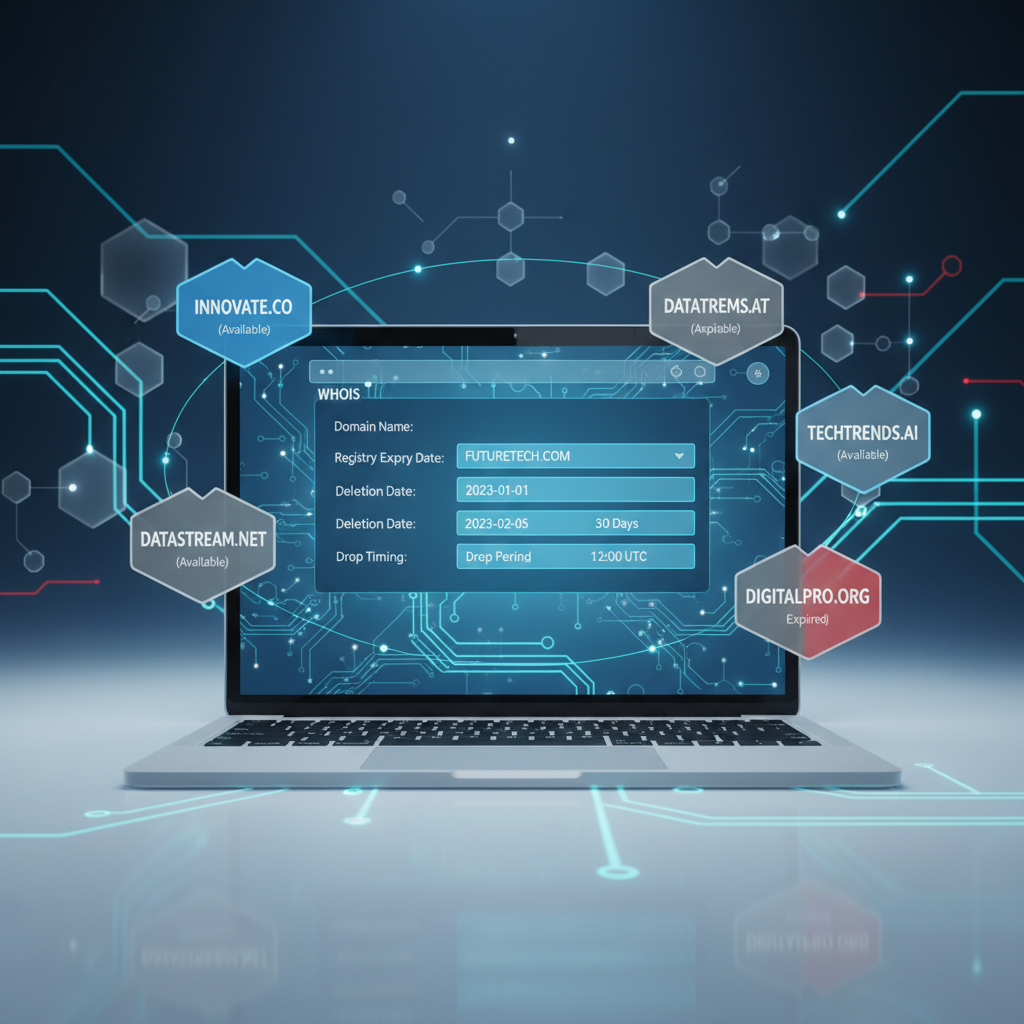
Expired Domains Explained: How to Find and Evaluate Them
Introduction Expired domains occupy a uniquely dynamic phase in the domain lifecycle where ownership and access rights transition...

How to Find the Real Owner of a Domain (Legally)
Introduction Modern domain ownership lookup is no longer a straightforward WHOIS query. Since the enforcement of GDPR obscured...
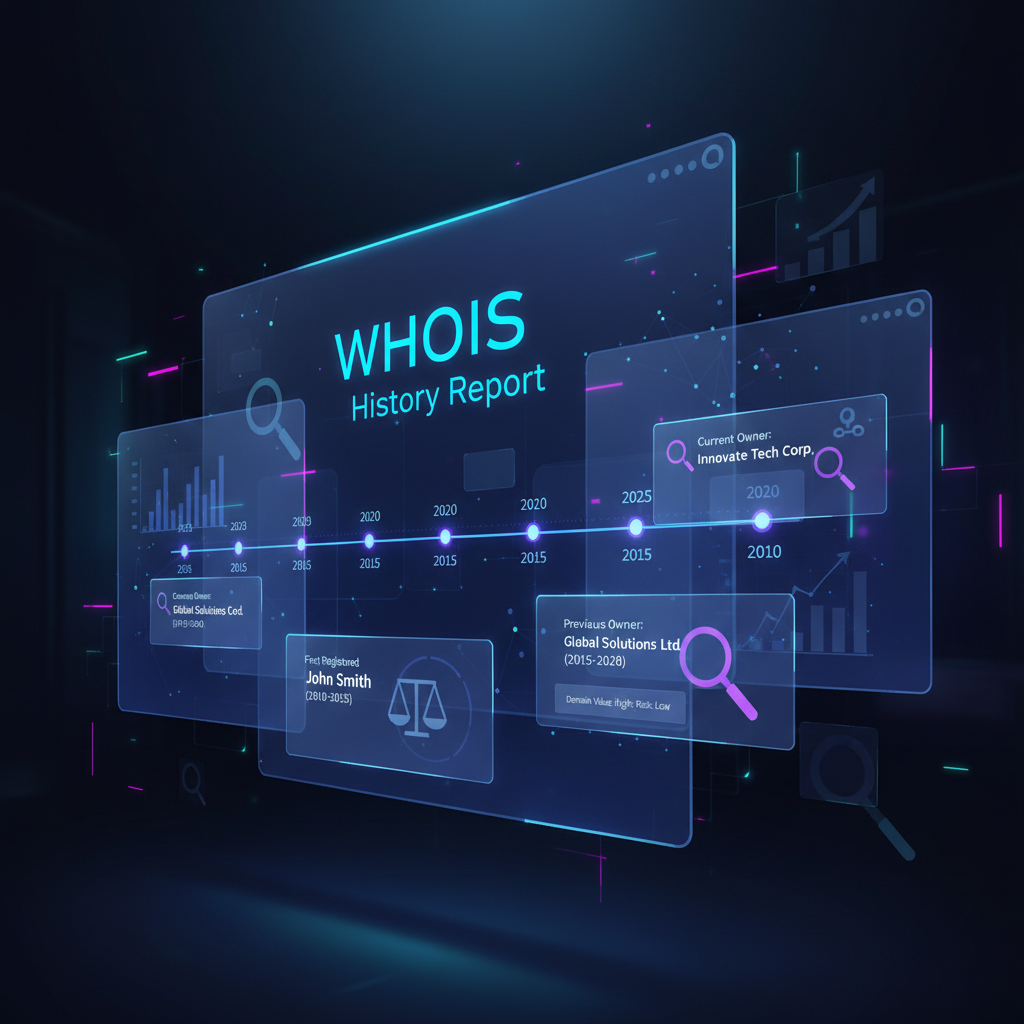
WHOIS History: Why Past Ownership Can Make or Break a Deal
Introduction Domain ownership is far more than merely representing the registrar holding a domain today. It is a...
Domain Age Explained: Why It Matters for SEO and Value
Introduction Domain age may seem like a straightforward metric—simply a timestamp extracted from WHOIS records—but its accuracy and...

How Domain Investors Use WHOIS Data to Find Deals
Introduction WHOIS data forms the foundational backbone of domain investing, yet its practical utility is hampered by inconsistent...
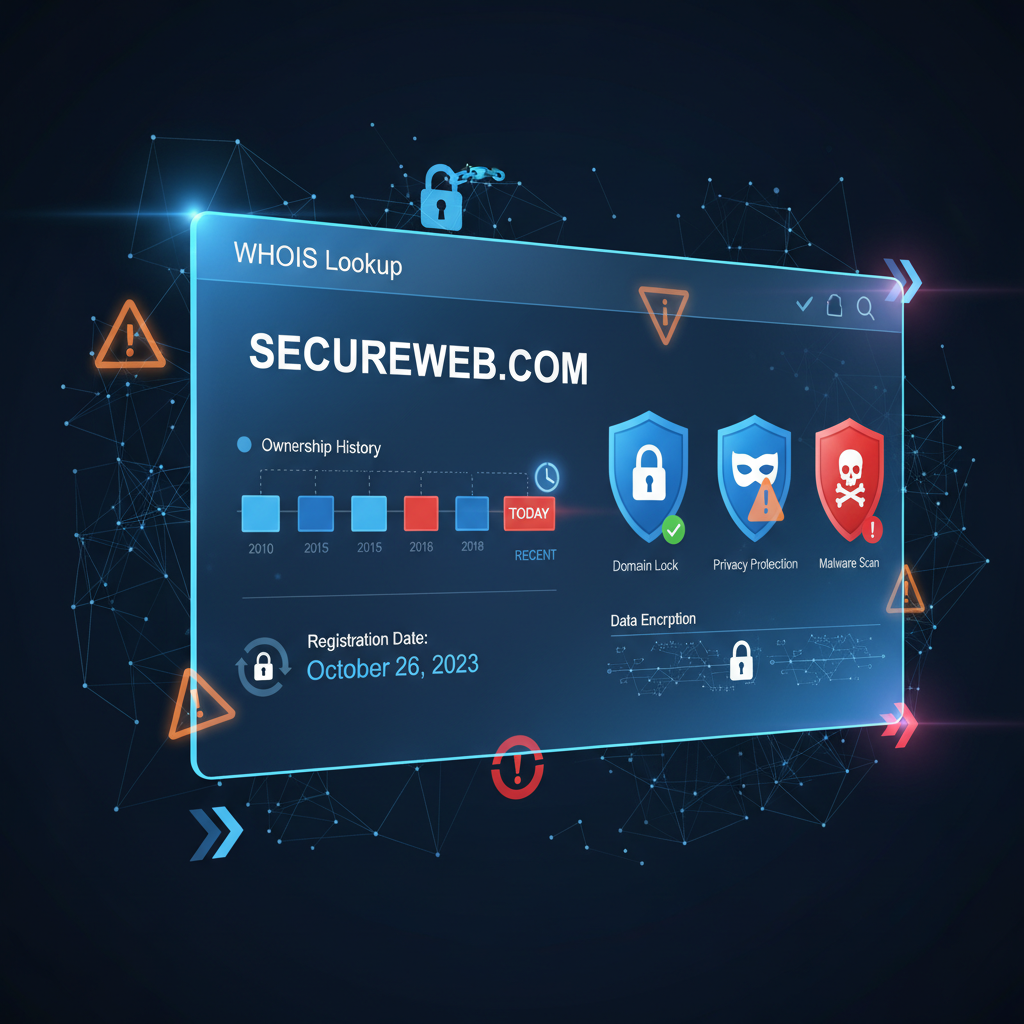
WHOIS Red Flags to Watch for When Buying Domains
Introduction Domains rarely fail silently—issues in ownership or configuration often ripple through DNS resolution, SSL validation, and security...